There are a million different priorities that come to mind when someone thinks about a survival scenario: food, water, shelter, first aid, etc.
One of the many things that most survival posts seem to miss, or not prioritize well, is physical fitness. This doesn't sound like that big a deal, but there is a huge difference between a fit prepper and an unfit one.
The first big difference is how efficient your body is at utilizing nutrients and creating energy. If you live a sedentary lifestyle than not only is there the mental challenge of survival but there is the physiological challenge. You're going to be more active, eating foods that you aren't necessarily used to, and you are going to be in shock mentally and physically.
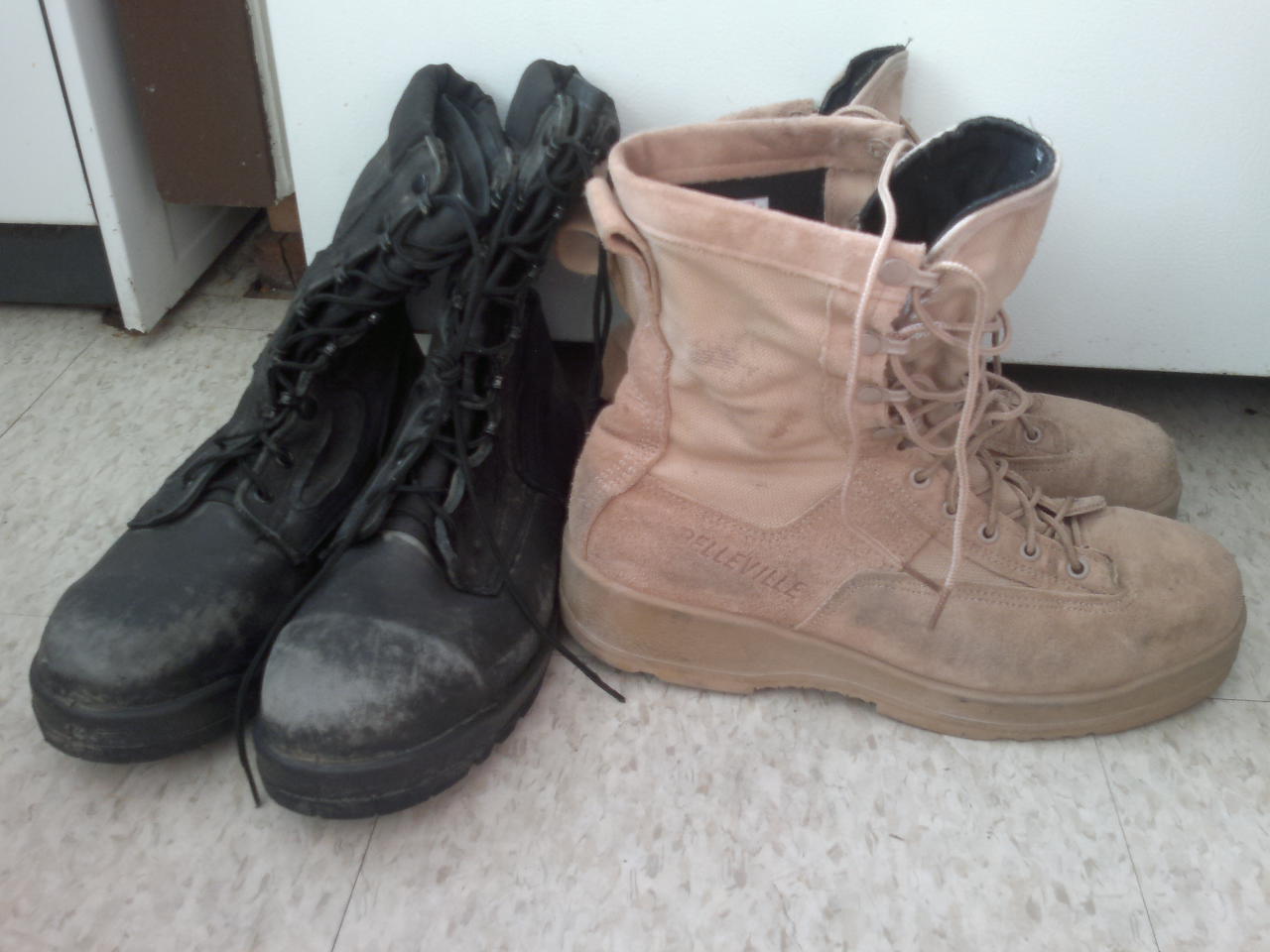
There are a few simple exercises that you can do that will increase your potential for survival. Walking is probably the biggest and the easiest. In almost any scenario vehicles will be secondary to foot travel, if you aren't used to walking, your footwear, and your foot care than you are seriously in trouble.
Walking is a good exercise, 20-30 minutes a night will make a drastic increase in your physical ability. It's good for you physically, mentally, and will definitely help if you need to be able to do some serious walking in the future.
Most of us have a fairly sedentary lifestyle. We come to accept this because physical activity isn't exactly necessary in this modern world. However, for thousands of years, physical activity was a necessary, daily activity. In a survival situation, being physically ready will be almost as important as having supplies ready.
Can you walk 20 miles with your BOB? Can you hike, climb, and run in a 40lb pack? If the answer isn't a fast "yes" than you need to seriously consider more physical activity (or a much lighter pack).
It's not all that difficult, you don't need to hit the weights every day, going for a nightly walk will put you miles ahead of most average citizens. Just think of the mental benefits, knowing that if you need to walk 20 miles you can. Slowly add in some running, some climbing, swimming, and physical travel will seem like an average day to you.
If your schedule keeps you from a decent work out schedule, try and find some way to be active for 30 minutes at least 3 times a week. This doesn't need to be anything fancy, jumping rope, jogging in place, walking, anything that keeps you moving for 30 minutes. First off, your body will get used to using nutrients as fuel for exercise. Remember, simple sugars are best for extended endurance events (long distance running, cardio level walking) but you have to get your body used to using those fuels DURING the exercise, not just before and after. Carbohydrates for before and during, 1/3 carb to protein for recovery afterwards.
Also, you absolutely have to test your footwear thoroughly. If you need to bug out, don't grab the brand new hiking boots, grab the beat up sneakers in the corner. If you haven't put a hundred miles on them, worked out any problems, they aren't any good for survival. A blister in new shoes might not seem like a big deal for a mile or two, but after 5-10 miles it becomes an immobilizing problem. Practice good foot care, get used to treating foot problems, and your best mode of transportation will keep you going much, much further.
Endurance athletes and soldiers have a very disciplined approach to foot care. They are constantly paying attention to "hot spots" or any other potential warning sign of any foot issues. They notice those little things and attend them early, dedicated practices like that will keep you moving when others fail. An ounce of prevention is worth a pound of cure. Keep foot care kits in your bag, vaseline, moleskin, and athletic tape (or duct tape). There are pre-made kits available at many websites. The Zombie Runner version is my favorite. There's so much there you could probably split this kit into two or three smaller kits and spread them out between your supplies.
http://www.zombierunner.com/store/categories/foot_care/kits/product2629.html
There are also a variety of foot care books on the market. "Fixing Your Feet" is widely considered the 'bible' of foot care. It has very in depth, practical, descriptions of problems and their solutions. I have a copy and have used it as a reference for many situations.
Your fitness and your feet will keep you alive, they need as much, or more, attention than anything else you are currently researching. Do you need binoculars in your BOB? Maybe. Do you need your heart, lungs, and feet to be in good condition? Definitely.



.jpg)